
Modern Winchester Model 70 vs. Pre-64: Control Round Feed and New Technology
Published September 17, 2026 by Winchester Staff
When it comes to bolt-action rifles, the Pre-64 Winchester Model 70 is an undeniable legend among hunters. Known for its exceptional craftsmanship and reliability, this rifle has garnered a dedicated following since its introduction in 1936. The standout feature of the Pre-64 design is the claw extractor with control round feed, which ensures flawless cartridge handling and reduces the chance of misfeeds in the heat of the moment.
The popularity of the Pre-64 Model 70 among hunters isn’t just due to its prestigious lineage; it also offers a range of chamberings that cater to various hunting scenarios, whether you’re pursuing elk in the Rockies or deer in the Midwest. The rifle’s balance of precision and performance has made it a go-to choice for many seasoned hunters.
Additionally, its classic lines and solid construction evoke nostalgia while delivering the reliability that hunters need. Even today, the Pre-64 Winchester Model 70 is sought after by collectors and shooting enthusiasts, symbolizing a combination of tradition, quality, and functionality that modern rifles often struggle to match. It’s truly a rifle that has stood the test of time.
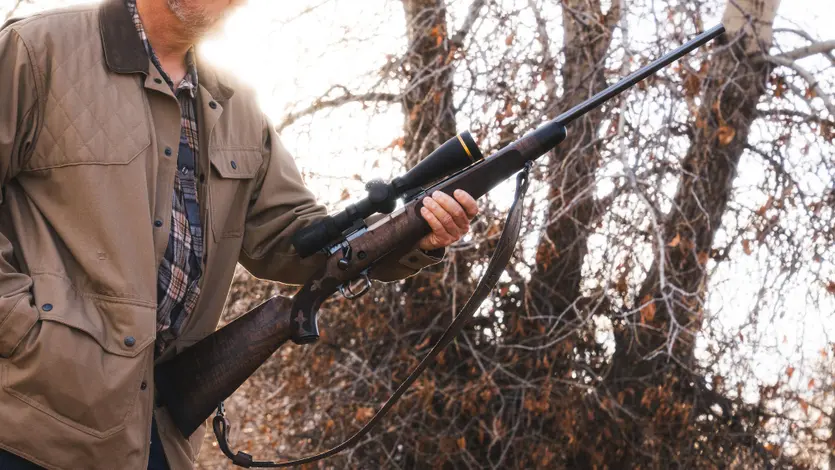
The Model 70 Problem
In 1964, Winchester Repeating Arms gave the Model 70 a facelift to reduce costs. Winchester moved away from control round feed and switched to a plunger-style ejector rather than the claw-style ejector. This created a problem.
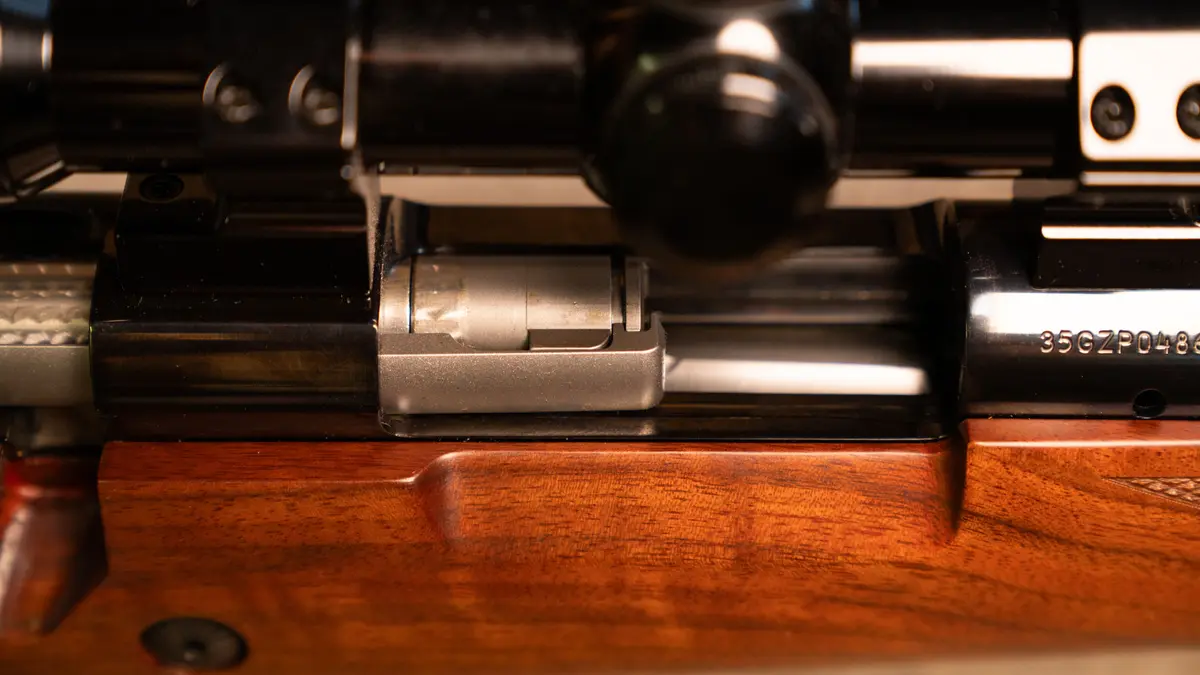
Hunters were accustomed to the large, non-rotating claw that would touch over 25 percent of the cartridge rim. This design held the case flat against the bolt face through the entire cycle. The claw-style ejector and Controlled round Feed (CRF) ensured clean and reliable cycling, no matter what. Even when a hunter panicked and didn’t push the bolt fully forward during a reload, CRF kept a grip on the case, allowing the hunter to close the action cleanly.
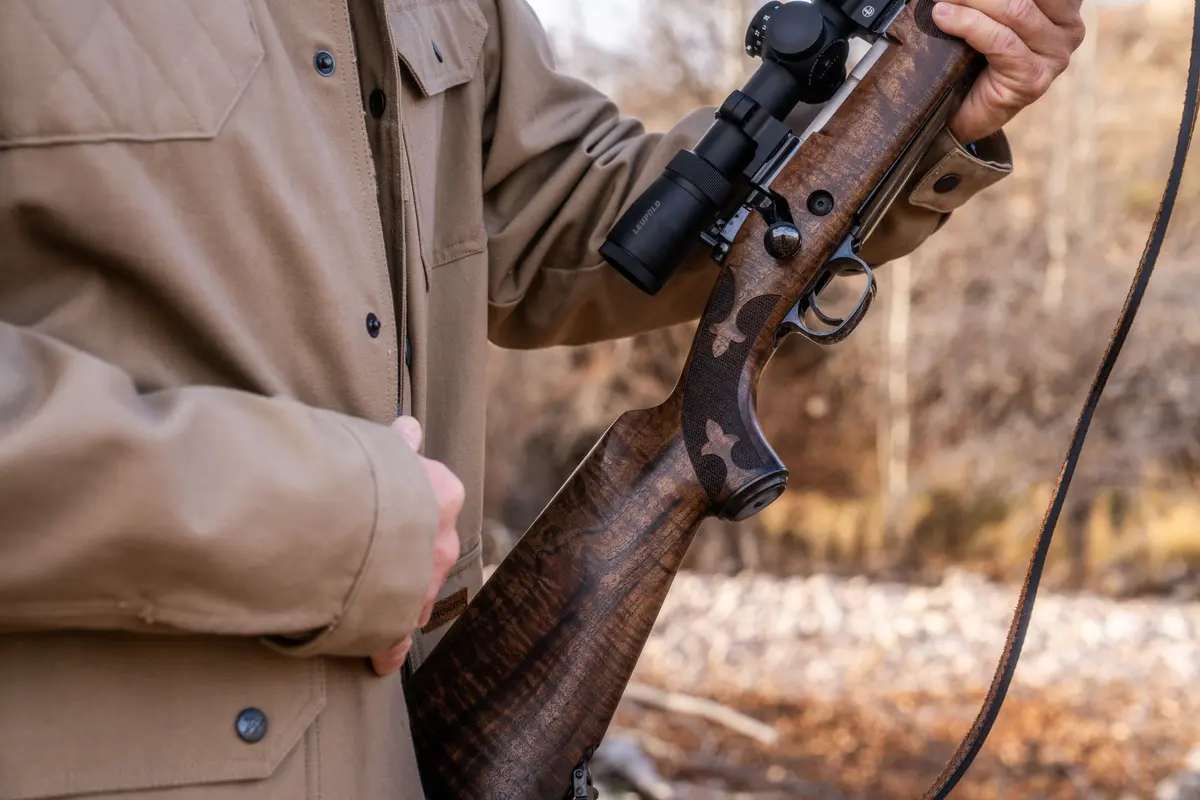
Another benefit of the claw-style ejector and CRF was that no matter the angle of the rifle, the cartridge could not fall out of alignment inside the action.
When Winchester opted for a plunger-style ejector, feeding and ejection issues arose. Though this wasn’t a huge problem, and ejection and feeding issues were rare, the new plunger-style ejector was a far cry from the claw-style ejector that put a death grip on the case.
The Model 70 Solution
In 1992, Winchester Repeating Arms righted a wrong: the legendary gun maker returned to the claw-style extractor and control round feed.
You should read the sentence above again. A common misunderstanding is that Winchester Model 70 rifles made after 1964 don’t feature the claw-style extractor or Controlled Round Feed. This is FALSE!
There was a stretch between 1965 and 1992 when Model 70s had an ejection/loading system that didn’t promise the same clean, quick ejection and loading as Pre-64 rifles. That time is OVER!
Since 1992, Winchester Repeating Arms has offered Model 70 rifles with the same coveted claw-style extractor and Control Round Feed as Pre-64 models. Better yet, new Model 70 models like the popular Model 70 Featherweight, Super Grade Maple, and Extreme give hunters/shooters a plethora of new technologies.
Current Winchester Model 70 Technologies
The Model 70 has aged well, and rather than reinventing a winning firearm, Winchester has just continued to make it better. Currently, Winchester Repeating Arms offers the Model 70 in 16 models, all of which feature the tried-and-true claw-style extractor and CRF. Those models also showcase many purposeful features that Pre-64 models did not.
A persistent myth is that the only way to get a true “rifleman’s rifle” is to scour used racks for a Pre-64 Winchester Model 70. While we all respect the lineage of those mid-century classics, the idea that the modern Model 70 is somehow inferior misses the mark. Today’s Winchester Repeating Arms has taken that legendary Pre-64 DNA — the same CRF and claw-style extractor that hunters have trusted for decades — and married it to modern manufacturing precision.
You aren’t just getting the same action; you’re getting a tighter, more consistent, and more durable version of one of the very best bolt-actions ever designed.
Current Winchester Model 70 rifles offer several significant technological advantages over their ancestors:
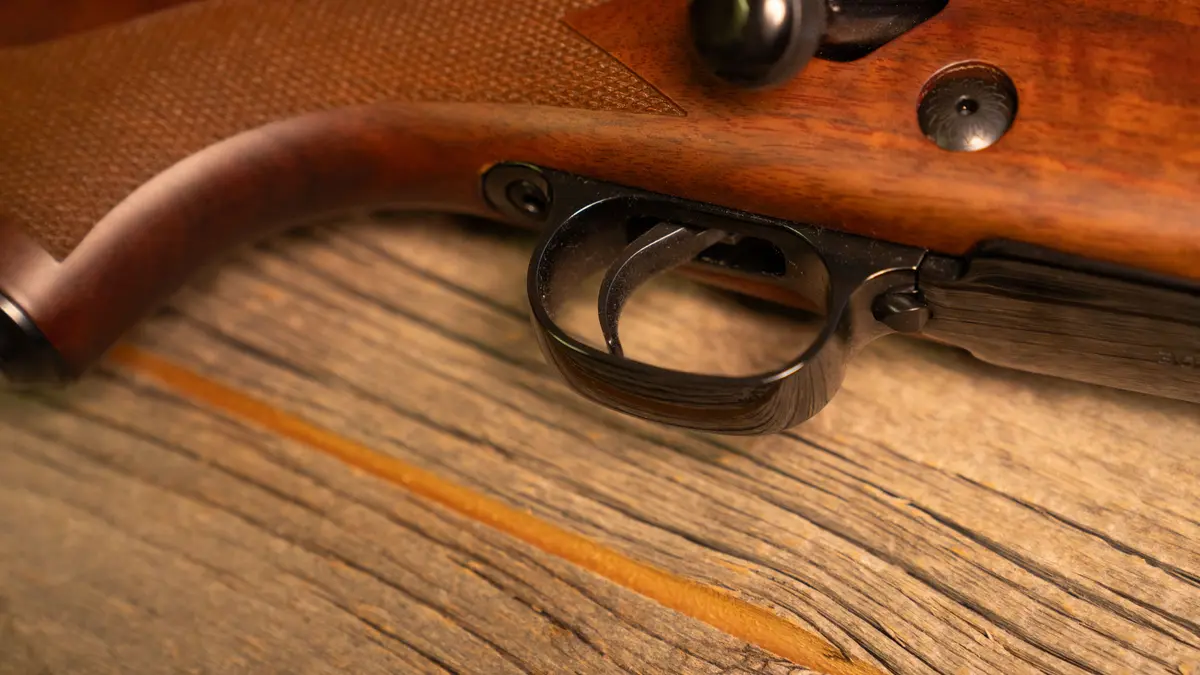
- MOA Trigger System: Unlike older, often inconsistent trigger designs that required frequent smithing to perfect, the current MOA trigger is a masterpiece of modern engineering. It features zero take-up, zero creep, and zero overtravel, delivering a crisp, consistent pull that would make a custom gunsmith envious.
- Forged Steel Receivers: Modern machining allows for tighter tolerances than were possible in the past. The receiver is machined from a single piece of steel, ensuring maximum rigidity and alignment, which translates directly to the sub-MOA accuracy today’s precision-oriented hunters expect.
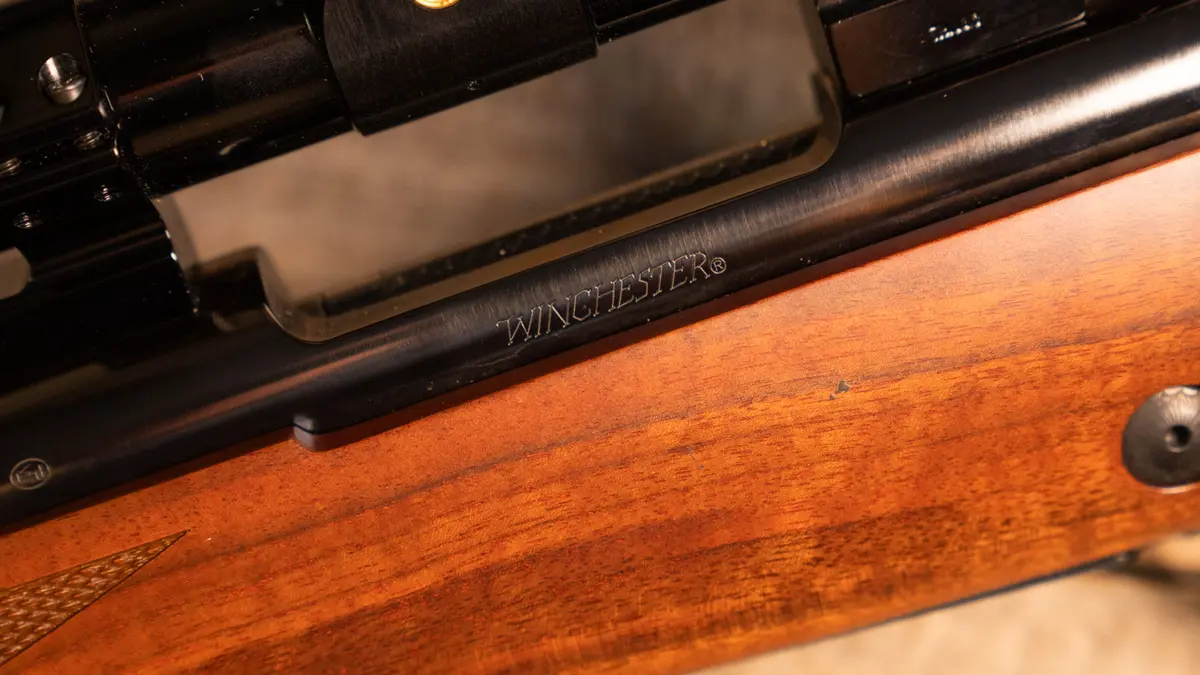
- Improved Bedding and Stock Materials: Modern stock designs ensure the barrel is free floated precisely, preventing barrel harmonics from being disrupted by stock contact during heavy use.
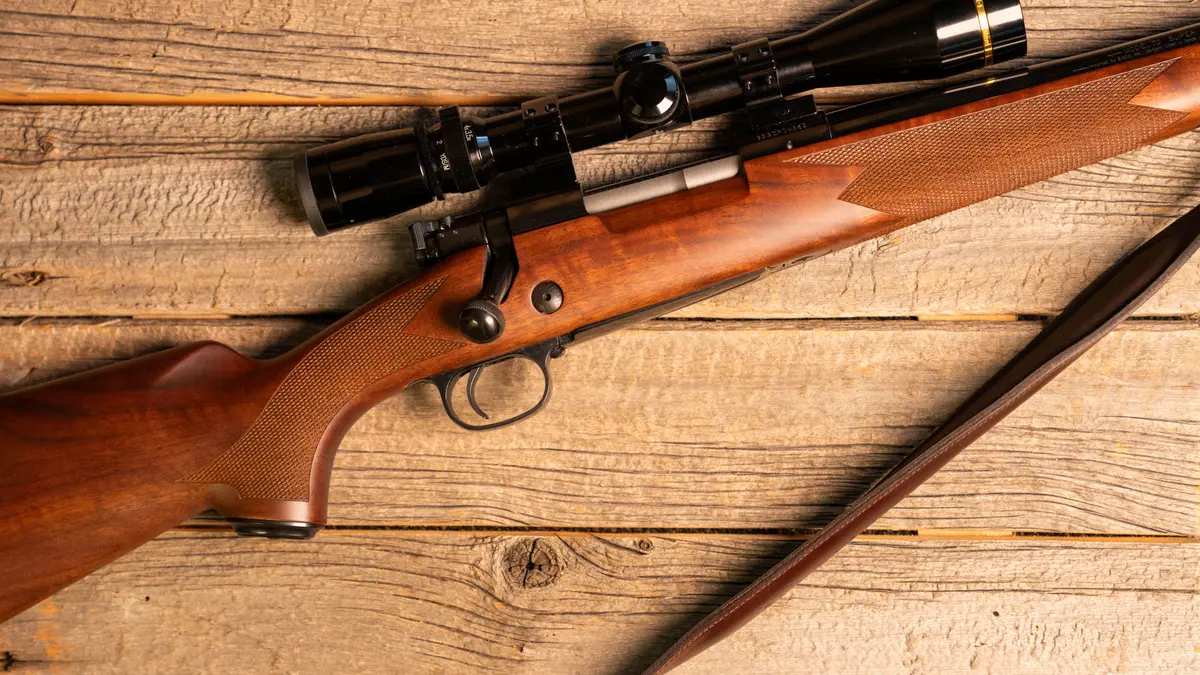
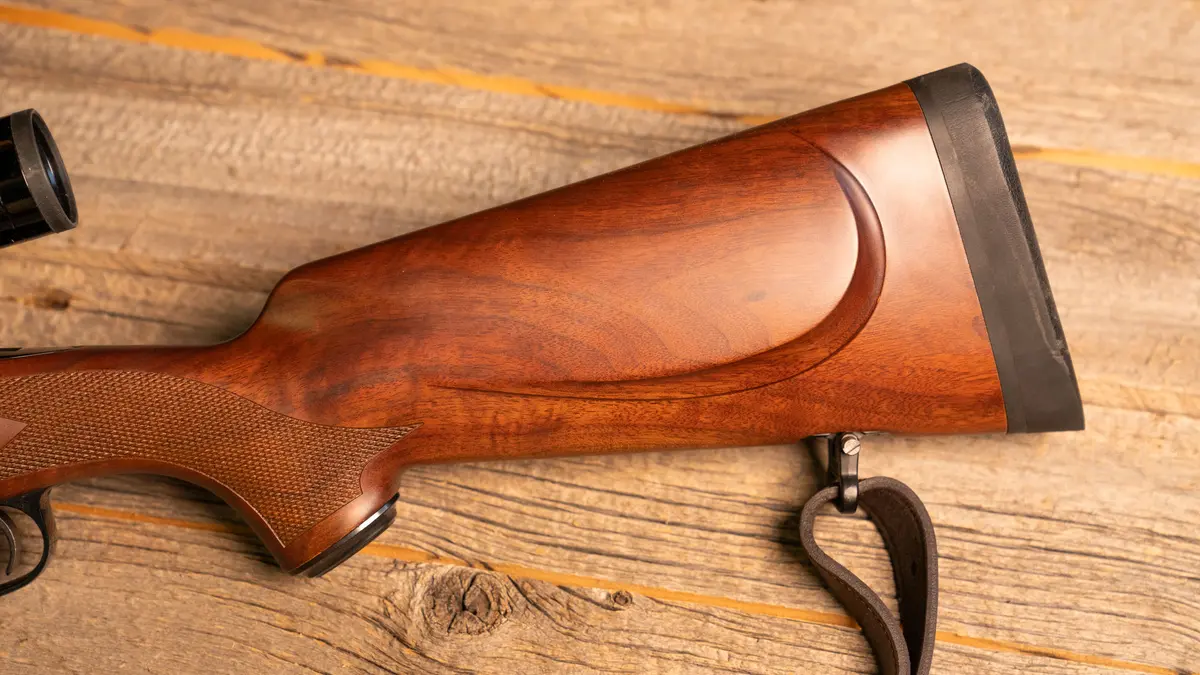
- Advanced Recoil Pads: The Pachmayr® Decelerator® recoil pad, standard on many modern models, is a massive leap forward. It tames the heavy hitters — like the .300 Win Mag or .375 H&H — far more effectively than the hard rubber or steel buttplates found on the originals.
- Corrosion-Resistant Finishes: Modern protective coatings and superior metallurgy ensure that today’s Model 70 is far more resistant to the harsh, wet environments that would have wreaked havoc on an older blued finish.
The result? A rifle that keeps the soul and reliability of the original, with the clinical performance needed for the modern field.
Final Thoughts
The Pre-64 Winchester Model 70 earned its reputation as a winner through dependable performance, exceptional craftsmanship, and a controlled round feed system hunters could trust. Its large claw-style extractor held the cartridge firmly against the bolt face, helping ensure reliable feeding and extraction through the entire cycling process — even when conditions were less than ideal.
That legacy did not disappear after 1964. Although Winchester temporarily moved away from controlled round feed and the claw-style extractor, the company returned to both features in 1992. Since then, modern Model 70 rifles have once again offered the feed system that made Pre-64 rifles legendary.
The difference is that today’s Model 70 combines that proven foundation with technologies unavailable to mid-century hunters. The MOA Trigger System delivers a crisp, consistent pull. Modern manufacturing provides tighter tolerances and improved receiver rigidity. Updated bedding and stock designs support accuracy, while advanced recoil pads improve comfort with powerful magnum cartridges. More durable finishes and modern materials also help current rifles withstand the wet, rough conditions hunters regularly face in the field.
The modern Winchester Model 70 is not a lesser version of the Pre-64 rifle. It continues with the same proven design, with technological and manufacturing refinements that give today’s hunters an advantage in the field. It offers the claw-style extractor and Controlled Round Feed serious shooters still demand, along with the accuracy, consistency, comfort, and durability that modern technology makes possible.
The Pre-64 Model 70 will always be a classic. But hunters searching for that legendary performance do not have to rely solely on the used-rifle market. The current Winchester Model 70 carries the soul of the original while giving hunters a more precise and capable rifle.